About 411 Press
National news on labor, safety, and accountability
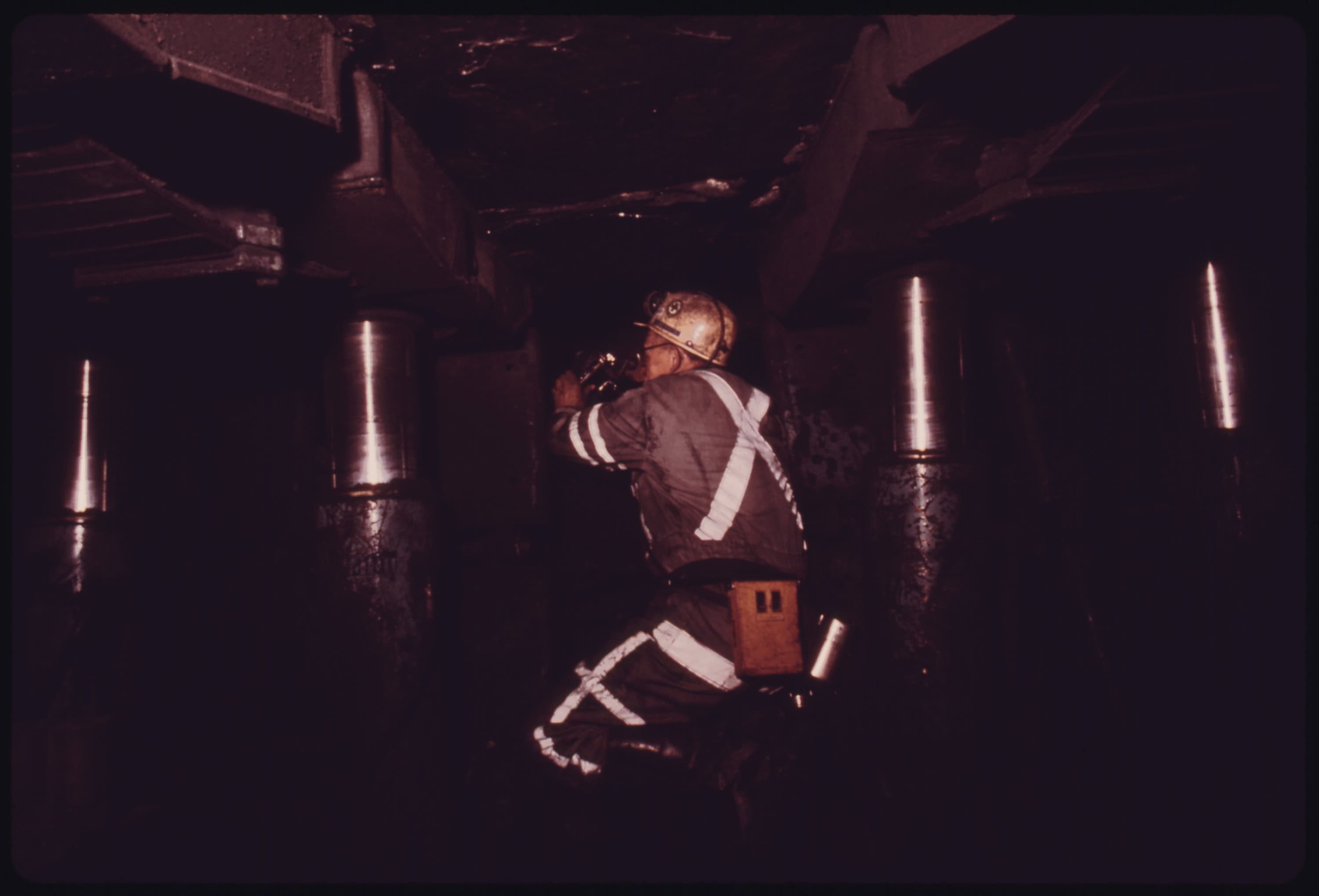
411 Press is a national news publication covering labor, industrial safety, and major public-interest events affecting working America.
The beat is plant explosions, mining accidents, rail derailments, refinery incidents, warehouse fatalities, OSHA enforcement, labor disputes, and the corporate accountability stories that follow. We write for the people the story is happening to, not the people the story is happening at.
Our sourcing practice: we link to primary sources — agency notices, court dockets, OSHA inspection records, peer-reviewed studies, and named officials — so readers can verify factual claims against the underlying record. Process first. Conclusions second.
What We Cover
Industrial Accidents. Plant explosions, refinery incidents, rail derailments, mining accidents, construction deaths, warehouse fatalities, chemical spills, pipeline ruptures, port incidents, and agricultural accidents. Reported as they happen, with verified company names, locations, casualty counts, and primary sources. When the story is still developing, we say so.
Workplace Safety and OSHA. Citation data, repeat-offender patterns, workplace fatalities, regulatory enforcement, and workers' rights. We pull from the OSHA public inspection database and update daily.
Labor and Workers. Strikes, union activity, organizing campaigns, worker pay and conditions, and the disputes that shape working life.
Corporate Accountability Investigations. Long-form work on negligent security, workplace negligence, and the patterns behind preventable harm. Coverage informed by professional security-assessment methodology — lighting levels measured against IES G-1-22, access controls evaluated against ASIS International guidelines, staffing decisions compared to a property's documented crime history.
Consumer Safety (database utility). Product Recalls, Mass Tort Litigation, and State Guides — covered as ongoing news and offered as searchable references. This is one section of the publication, not the publication's identity.
How We Source Our Reporting
Government databases. Industrial accident data from OSHA, MSHA, NTSB, and CPSC. Recall data from CPSC, FDA, NHTSA, and USDA APIs. We access these sources directly and update daily.
Court filings and dockets. Mass tort case data comes from JPML statistical reports, MDL docket filings, and individual court records. Case counts come from court documents, not press releases.
Wire desks and agency reporting. When we cite Reuters, AP, or Bloomberg on a breaking industrial story, we link to the original report and attribute clearly.
Peer-reviewed research. Medical and scientific claims are sourced to published, peer-reviewed studies — cited by author, journal, and date.
Industry standards. Security and safety assessments reference ASIS International guidelines, IES lighting standards, and OSHA regulatory text by document number. "Adequate lighting" is a measurable specification, not an opinion.
Transparent methodology. When we project something, we label it as a projection and cite the analysis behind it. When we do not have the answer, we say so.
Editorial Standards
Link to the source. Factual claims are linked to primary sources — agency notices, court filings, peer-reviewed research, named officials — so readers can verify against the underlying record.
Correct openly. Errors are corrected promptly with the original text and the correction clearly identified on the page.
Say when we do not know. When data is unavailable or claims cannot be verified, we say so rather than speculate.
Distinguish fact from analysis. Verified facts (court filings, agency data, published research) are separated from analysis (interpretation, projections, accountability assessments).
Represent both sides. When we cover litigation or a labor dispute, we present both parties' positions. Accountability journalism is not advocacy journalism.
For the full methodology, see our editorial standards page.
How We Are Funded
Display advertising from compatible advertisers may appear on select pages. Advertisers have no influence over editorial content. Trust-building pages — this page, Editorial Standards, Contact — carry no advertising.
Outbound references point readers to additional resources where useful. Source links go to government databases, court documents, and primary reporting.
What does not fund us. No payments from companies, agencies, or individuals we investigate. No sponsored content. No advertiser review, editing, or approval of editorial content before publication.
Contact
Editorial: editorial@411press.com
Tips: tips@411press.com — we review every tip and protect source confidentiality.
Legal: legal@411press.com
Corrections: corrections@411press.com — we investigate and correct confirmed errors promptly.