Hair Relaxer MDL: Ongoing Coverage of the Cancer Litigation Against L'Oreal, Revlon, and Others
Over 11,500 women have filed in MDL 3060, alleging chemical hair relaxer products caused uterine, ovarian, and endometrial cancer. Bellwether trials are expected in 2027. Ongoing coverage.
By 411 Press Legal DeskUpdated 6 min read
This is an ongoing story. 411 Press updates this coverage as the litigation develops. Last updated: May 28, 2026.
A 2022 federal study tracked 33,497 women for nearly 11 years. The women who used chemical hair straightening products more than four times a year developed uterine cancer at more than 2.5 times the rate of women who did not.
More than 11,500 women have now sued the manufacturers — L'Oreal, Revlon, Namaste Laboratories, Unilever, Procter & Gamble — alleging the companies marketed endocrine-disrupting chemicals to a specific demographic, primarily Black women, without warning about the cancer risk. The MDL is one of the largest active mass tort litigations in the federal court system.
No settlements. Bellwether trials are scheduled for 2027.
| Pending Cases | 11,526 (as of May 1, 2026) |
| Court | Northern District of Illinois |
| Judge | Mary M. Rowland |
| MDL Number | 3060 |
| Special Master | Ellen K. Reisman (appointed April 2025) |
| Bellwether Trials | Expected 2027 |
| Status | Discovery and Daubert motions in progress. No settlements. |
Where the MDL Stands
MDL 3060 is consolidated before U.S. District Judge Mary M. Rowland in the Northern District of Illinois. The litigation has reached 11,526 pending cases. New cases continue to be filed.
The litigation is past discovery and into the gatekeeper phase that determines whether plaintiffs can present their scientific evidence to a jury. Defendants faced an April 1, 2026 deadline to file Daubert motions challenging the admissibility of plaintiffs' expert testimony linking hair relaxers to cancer. Those motions will determine what plaintiffs can argue at bellwether trial.
Judge Rowland held a Science Day in January 2026 — the court's first formal engagement with the scientific evidence connecting chemical hair relaxers to cancer. In a procedural development that observers tracking the litigation considered unusual, Judge Rowland selected all 10 bellwether cases herself, after scrapping the party-driven selection process. Thirty-two cases were selected for bellwether discovery. Fact discovery was due February 16, 2026, with each side limited to four fact depositions per case.
In April 2025, Judge Rowland appointed Ellen K. Reisman as Special Master to facilitate settlement discussions between plaintiffs and defendants. The appointment signals the court's interest in resolution. No settlement framework has been announced.
Revlon filed for Chapter 11 bankruptcy in 2022 and set aside $44 million specifically for hair relaxer lawsuit liabilities as part of its reorganization plan. Revlon remains a defendant in the MDL.
What Plaintiffs Are Alleging
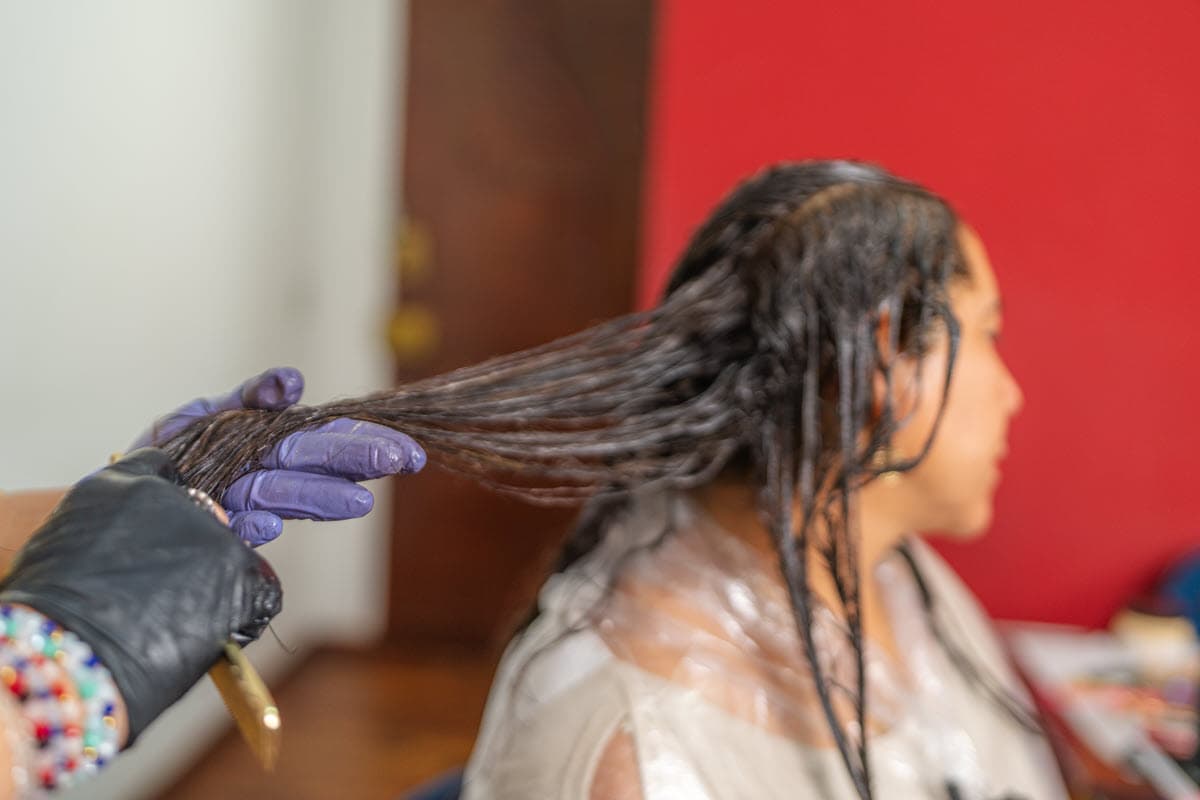
The plaintiffs are overwhelmingly women, and disproportionately Black women, who used chemical hair relaxer or straightener products regularly over extended periods — typically four or more times per year for years or decades. Court filings describe a plaintiff population spanning multiple generations of users, with many reporting first exposure in childhood through salon visits or family use.
The diagnoses at the center of the litigation cluster around uterine cancer (endometrial cancer), ovarian cancer, severe uterine fibroids requiring surgery, and severe endometriosis.
The products named in MDL 3060 come from the largest manufacturers in the category:
- L'Oreal — Dark and Lovely, Optimum, Mizani
- Revlon — African Pride, Revlon Realistic, Crème of Nature
- Namaste Laboratories — Just for Me, ORS Olive Oil Relaxer
- Unilever — Motions
- Procter & Gamble — TCB Naturals
The legal theory is failure to warn. Plaintiffs argue the manufacturers knew the chemicals in their formulations carried cancer risk and marketed the products without adequate disclosure. The lawsuits do not claim the products were defective in the conventional sense; the claim is that the warnings were inadequate.
The Science Connecting Chemicals to Cancer
In October 2022, researchers at the National Institutes of Health published the study that opened the science behind the litigation. Chang et al., in the Journal of the National Cancer Institute, analyzed data from 33,497 women in the NIH Sister Study cohort over an average follow-up period of nearly 11 years.
The findings: women who reported using chemical hair straightening products were nearly twice as likely to develop uterine cancer compared to women who did not use these products. Women who used them more than four times per year were more than 2.5 times as likely to develop uterine cancer.
The study identified several chemicals in hair relaxer formulations as potential drivers of the cancer risk:
- Formaldehyde. A known human carcinogen, classified as such by the International Agency for Research on Cancer and the National Toxicology Program. Hair straighteners release formaldehyde gas during application. It can be absorbed through the scalp.
- Phthalates. Endocrine disruptors that interfere with hormone function.
- Parabens. Preservatives that mimic estrogen in the body.
- Bisphenol A. Another endocrine disruptor found in some formulations.
- Heavy metals. Detected in some hair relaxer products.
These chemicals can be absorbed through the scalp — which is more permeable than skin on other parts of the body — and through burns and lesions caused by the relaxer application process itself.
A regulatory gap is the backdrop. Cosmetic products in the United States do not require pre-market safety approval from the FDA. Manufacturers are responsible for ensuring their own products are safe, but there is no third-party verification before the products reach consumers. Hair relaxer formulations were sold for decades without the safety review that applies to drugs, food additives, or medical devices.
Approximately 60% of the women in the Chang study who reported using chemical hair straighteners identified as Black. The products have been marketed disproportionately to Black women and girls for decades. The cancers now being diagnosed cluster in the same population that was the target market.
Bellwether Trials
The MDL is approaching the bellwether trial phase. Judge Rowland selected 10 cases for trial herself after rejecting the standard party-driven selection process. Bellwether trials are expected in 2027.
The Daubert motion deadline of April 1, 2026 sits between now and the trials. If Judge Rowland excludes plaintiffs' key causation experts, the litigation is in trouble. If she admits them, the bellwether trials proceed on the strength of the Chang study and follow-on research.
Published legal analyses project individual settlement values ranging from $50,000 for less severe cases to $750,000 or more for severe cancer diagnoses. These are projections from law firms, not confirmed amounts.
Special Master Ellen K. Reisman continues to facilitate settlement discussions. Industry observers expect serious settlement negotiation to begin only after the first bellwether verdicts.
More Coverage
Recent 411 Press reporting on the cosmetics safety and environmental justice beats:
Coverage tags: Hair Relaxer · Cosmetics Safety · Endocrine Disruptors · Environmental Justice
Related litigation we are tracking:
- Ozempic / GLP-1 MDL — 3,722+ cases pending
- Camp Lejeune Litigation — ~$571M paid of ~$795M approved, ~407,000 claims
- Social Media Addiction MDL — 2,527 pending cases
- NEC Baby Formula MDL — $495M verdict upheld May 2026
411 Press monitors the hair relaxer MDL and publishes updates as developments occur. We'll publish more as we find out. For our reporting methodology and sourcing standards, see our editorial standards.
Related coverage