Ozempic Litigation: Ongoing Coverage of the GLP-1 Mass Tort
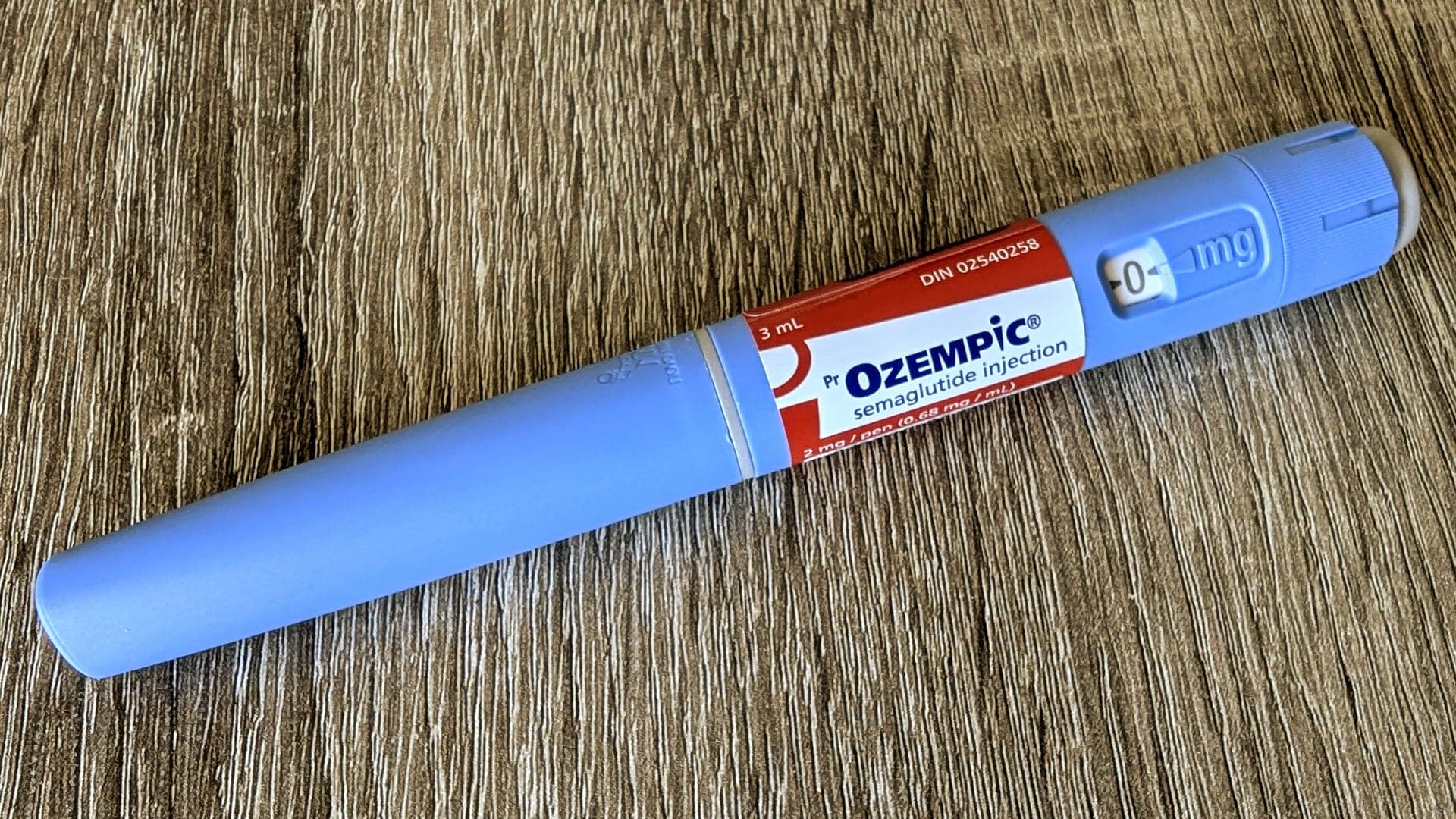
Ongoing news coverage of MDL 3094 and MDL 3163 — the federal multidistrict litigations against Novo Nordisk and Eli Lilly over gastrointestinal injuries and vision loss linked to GLP-1 drugs.
By 411 Press Legal DeskUpdated 8 min read
This is an ongoing story. 411 Press updates this coverage as the litigation develops. Last updated: May 28, 2026.
The pattern described in MDL 3094 filings is consistent across hundreds of complaints. A representative composite drawn from the public docket: a patient starts Ozempic for type 2 diabetes; within months, she cannot keep food down; by the following quarter she is in the emergency room with severe dehydration, a feeding tube, and a gastroparesis diagnosis. Her stomach has stopped moving food through. The nausea is constant. The vomiting lasts hours. Her prescribing doctor says he was not warned this could happen.
This narrative is a composite drawn from the allegations in MDL 3094 court filings, not a specific named plaintiff.
More than 3,600 cases are now pending against Novo Nordisk and Eli Lilly across two federal multidistrict litigations. No settlements. No trials yet. The pace of filing — roughly 100 new cases per month — has not slowed since the MDL was created.
| Pending GI Cases | 3,636 in MDL No. 3094 (as of May 2026) |
| Pending Vision Loss Cases | 86 in MDL No. 3163 (as of May 2026) |
| Court | Eastern District of Pennsylvania |
| Judge | Karen S. Marston |
| Defendants | Novo Nordisk (Ozempic, Wegovy, Rybelsus), Eli Lilly (Mounjaro, Zepbound) |
| Next Key Date | Science Day — June 2, 2026 |
| Status | No settlements. No bellwether trials scheduled. |
Where the Litigation Stands
Two federal multidistrict litigations are consolidated before U.S. District Judge Karen S. Marston in the Eastern District of Pennsylvania. MDL 3094 covers gastrointestinal injuries — gastroparesis, bowel obstruction, ileus, and pancreatitis. MDL 3163, created in December 2025, covers nonarteritic anterior ischemic optic neuropathy (NAION), a form of sudden permanent vision loss.
MDL 3094 reached 3,636 pending cases in April 2026, up from 3,097 in January. That is 539 new filings in three months. MDL 3163 stands at 86 federal cases, with an estimated 120+ vision loss lawsuits filed across federal and state courts.
No settlements have been reached. No bellwether trials have been scheduled. A Science Day — an educational session in which both sides present the medical evidence to the judge — is set for June 2, 2026.
What Plaintiffs Are Alleging
The core allegation is failure to warn. Plaintiffs argue that Novo Nordisk and Eli Lilly knew the GLP-1 receptor agonist drugs carried serious risks of gastroparesis, bowel obstruction, and vision loss, and that the drug labels did not adequately disclose those risks to patients and prescribers.
This is not a claim that the drugs do not work. The drugs do what they are designed to do — they slow gastric emptying and reduce appetite. The claim is that patients were not told enough about the consequences of how the drugs work.
The GI claims center on gastroparesis. The stomach stops moving food through. Patients describe relentless nausea, vomiting that goes on for hours, and abdominal pain that makes eating terrifying. Some lose 30, 40, 50 pounds because their bodies cannot absorb nutrition. In the worst cases, plaintiffs ended up on IV nutrition or feeding tubes. Some required gastric electrical stimulation — a surgically implanted device — to get their stomachs functioning again.
GLP-1 drugs work partly by slowing gastric emptying. The litigation alleges the manufacturers knew that mechanism could cause permanent stomach paralysis in some patients, and that the risk extended beyond a temporary side effect.
The vision loss claims center on NAION. Blood flow to the optic nerve is blocked. The vision loss is sudden, painless, and usually permanent in one eye. There is no treatment that reliably restores vision once NAION occurs.
Plaintiffs include patients who took the drugs for type 2 diabetes and patients who took them for weight loss. Several attorneys handling the litigation have noted that weight-loss cases may carry different value than diabetes cases, on the theory that the risk-benefit calculation differs between treating a life-threatening disease and treating a lifestyle indication.
Key Court Actions
August 2025 — Judge Marston's diagnostic ruling. Judge Marston ruled that plaintiffs alleging gastroparesis must produce objective diagnostic testing — typically scintigraphy, a breath test, or a wireless motility capsule — to sustain the claim. Self-reported symptoms are not enough. The ruling tightened the plaintiff pool for the GI MDL.
August 2025 — Design defect claims dismissed; failure-to-warn survives. Judge Marston dismissed design defect claims, finding that the drugs work as designed. She allowed failure-to-warn claims to proceed. The drugs may function as intended, but the question remains: were patients told enough about what that function can do to their bodies?
December 2025 — Separate MDL for NAION. The Judicial Panel on Multidistrict Litigation created MDL No. 3163 for NAION vision loss claims, also assigned to Judge Marston.
Upcoming — June 2, 2026. Science Day. Both sides will present medical evidence to Judge Marston. This is not a trial. It is an educational session intended to inform the court before bellwether case selection and Daubert motions.
The Regulatory Response
The FDA's handling of GLP-1 safety warnings has been central to the litigation.
September 2023: FDA added an ileus (bowel dysfunction) warning to the Ozempic label after receiving 33 blockage reports and two deaths from semaglutide users.
January 2025: FDA updated the label to state Ozempic is "not recommended in patients with severe gastroparesis." Plaintiffs argue this understates the risk because it does not say the drug may cause gastroparesis.
October 2025: FDA added ileus, intestinal obstruction, severe constipation, and fecal impaction as adverse reactions.
March 2026: FDA updated the label again to include delayed gastric emptying warnings and rare pulmonary aspiration during anesthesia.
European regulators have moved further. The European Medicines Agency added NAION as a "very rare" side effect to GLP-1 labels by June 2025. As of May 2026, the U.S. FDA has not added a specific NAION warning to the Ozempic label. That gap between European and American labeling is a focal point of the NAION litigation.
What Comes Next
June 2, 2026 — Science Day. Both sides present medical evidence to the judge. Outcome will shape what evidence Judge Marston considers admissible.
Bellwether selection — date not set. A small number of representative cases will be selected for full trial. Attorney projections suggest bellwether trials are unlikely before 2027.
Daubert motions — date not set. Both sides are expected to challenge each other's expert witnesses. Daubert rulings will determine which scientific testimony can be presented to a jury.
Mass settlements — late 2027 at the earliest. Mass tort litigation typically takes 2-5 years from MDL creation to global settlement. MDL 3094 was created in 2024.
Background: The Science
A note on what the medical literature does and does not say. GLP-1 receptor agonists are not a single drug — they are a class that includes semaglutide (Ozempic, Wegovy, Rybelsus), tirzepatide (Mounjaro, Zepbound), dulaglutide (Trulicity), and liraglutide (Victoza, Saxenda). The injuries the MDLs are tracking are not allegations alone; they are documented in peer-reviewed research.
Gastroparesis and slowed gastric motility. The drugs slow gastric emptying. That is the mechanism. The litigation alleges that in some patients, the slowdown becomes permanent stomach paralysis. The 2023 FDA label change acknowledged the connection without using the word "cause."
NAION risk. Multiple peer-reviewed studies have linked semaglutide to elevated NAION risk:
- A 2024 Harvard/Mass General Brigham study found diabetic patients on semaglutide developed NAION at more than four times the rate of patients on other diabetes medications. Among overweight patients, the risk was more than 7.6 times higher.
- A 2025 Danish-Norwegian cohort study found semaglutide more than doubled the five-year NAION risk.
- A May 2026 VA study published in JAMA Ophthalmology of more than 102,000 veterans found semaglutide was associated with more than double the NAION risk compared to SGLT2 inhibitors.
The medical evidence is what the regulatory response and the litigation both turn on. The peer-reviewed studies above are the public record. The internal company knowledge — what Novo Nordisk and Eli Lilly knew and when — is what discovery is meant to surface.
More Coverage
Recent 411 Press reporting on the GLP-1 beat:
Coverage tags: Ozempic · GLP-1 · Novo Nordisk · FDA enforcement
Related litigation we are tracking:
- Camp Lejeune Litigation — ~407,000 administrative claims, ~$571M paid of ~$795M approved
- Hair Relaxer MDL — 11,526 pending cases
- Social Media Addiction MDL — $6M K.G.M. verdict, March 2026
- NEC Baby Formula MDL — $495M verdict upheld May 2026
411 Press monitors MDL dockets and publishes updates as developments occur. We'll publish more as we find out. For our reporting methodology and sourcing standards, see our editorial standards.
Related coverage