Overhead Crane Drops Metal Spool On Worker At Carol Stream, Illinois Facility
A 55-year-old worker in Carol Stream, Illinois was killed when an overhead crane gave way while he loaded a large metal spool onto a flatbed truck. OSHA opened an investigation.
By 411 Press Newsroom3 min read
A 55-year-old worker was killed in Carol Stream, Illinois on March 31 when an overhead crane gave way while he was loading a large metal spool onto a flatbed truck. The Occupational Safety and Health Administration opened an investigation.
The crane failed during the lift. The spool fell. The worker was struck below.
The employer's name has been confirmed in OSHA's accident database. The worker's name has not been publicly released.
What overhead cranes do, and how they fail
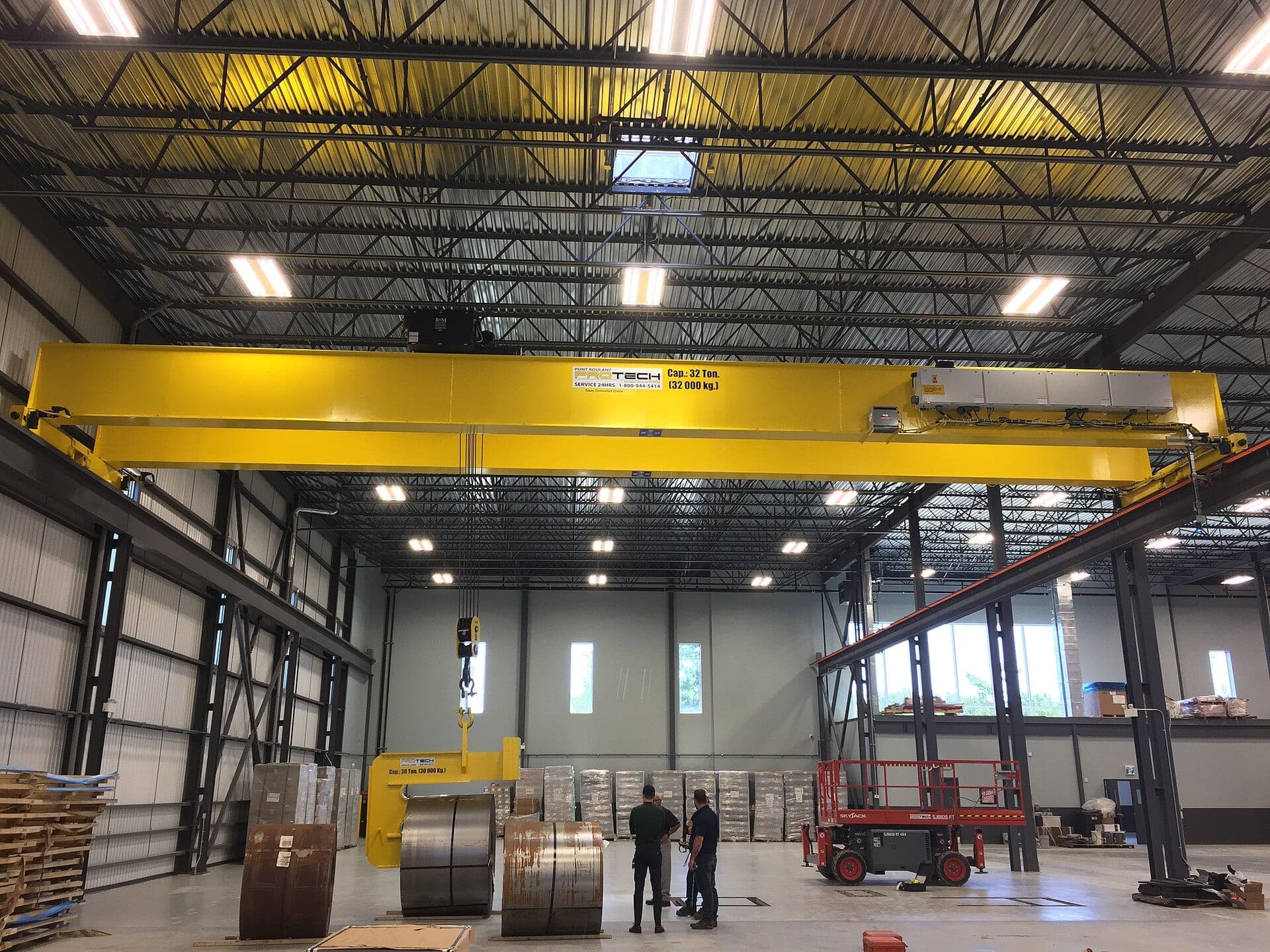
An overhead crane is a fixed-rail system that runs along the ceiling of an industrial space. It moves heavy loads — coils, spools, dies, finished goods — within the facility. The standard rated capacity for spool-handling cranes can range from a few tons to several dozen.
Cranes fail in predictable ways:
- Sling, chain, or hook failure
- Hoist brake failure
- Load-block failure
- Rail or trolley derailment
- Improper rigging or load attachment
OSHA's overhead and gantry crane standard, 29 CFR 1910.179, sets requirements for inspections, load testing, and operator qualification. Powered material-handling equipment in general industry also falls under 1910.178 and 1910.184 for slings.
The cause of the failure in Carol Stream has not been released. OSHA will examine the crane's inspection history, the rigging configuration, and whether the load was within the rated capacity.
The pattern of crane fatalities in 2026
Three named crane-related deaths have been reported in the United States since the start of the year:
- March 31 — Carol Stream, Illinois: a worker killed when an overhead crane gave way during a spool lift
- April 17 — Salt Lake City: a 29-year-old worker killed when a piece of metal being hoisted by a crane became dislodged and fell, striking him below
- April 28 — Colorado Springs: a crane operator killed in an entrapment incident at the construction site of Forge at Peak Innovation Park
OSHA's national emphasis program on cranes and derricks in construction has been in place for years. The agency's Region 5 (which covers Illinois) and Region 8 (which covers Colorado) handle the inspections in their respective jurisdictions.
The International Union of Operating Engineers represents many crane operators in the U.S. The union has called for stricter enforcement of pre-operational inspections and operator certification under the NCCCO (National Commission for the Certification of Crane Operators) standards.
What OSHA will look at in Carol Stream
The Carol Stream investigation will examine:
- Whether the daily and periodic inspections required under 1910.179 had been completed and documented
- Whether the rigging — slings, hooks, attachments — was rated for the load
- Whether the crane operator was qualified for the task
- Whether the lift met the manufacturer's specifications
- Whether the load was within the crane's rated capacity, accounting for any de-rated capacity for that lift
Citations and fines can follow. OSHA has up to six months.
We'll publish more as findings are released.
Related coverage