50,000 Evacuated As GKN Aerospace Chemical Tank Threatened Explosion Outside Los Angeles
A 34,000-gallon methyl methacrylate tank at the GKN Aerospace facility in Garden Grove, California began to off-gas and bulge after a refrigeration valve failed. Roughly 50,000 residents were ordered to evacuate.
By 411 Press Newsroom3 min read
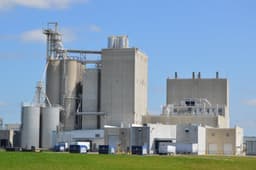
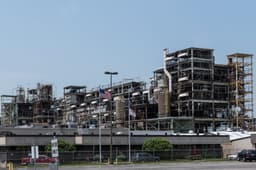
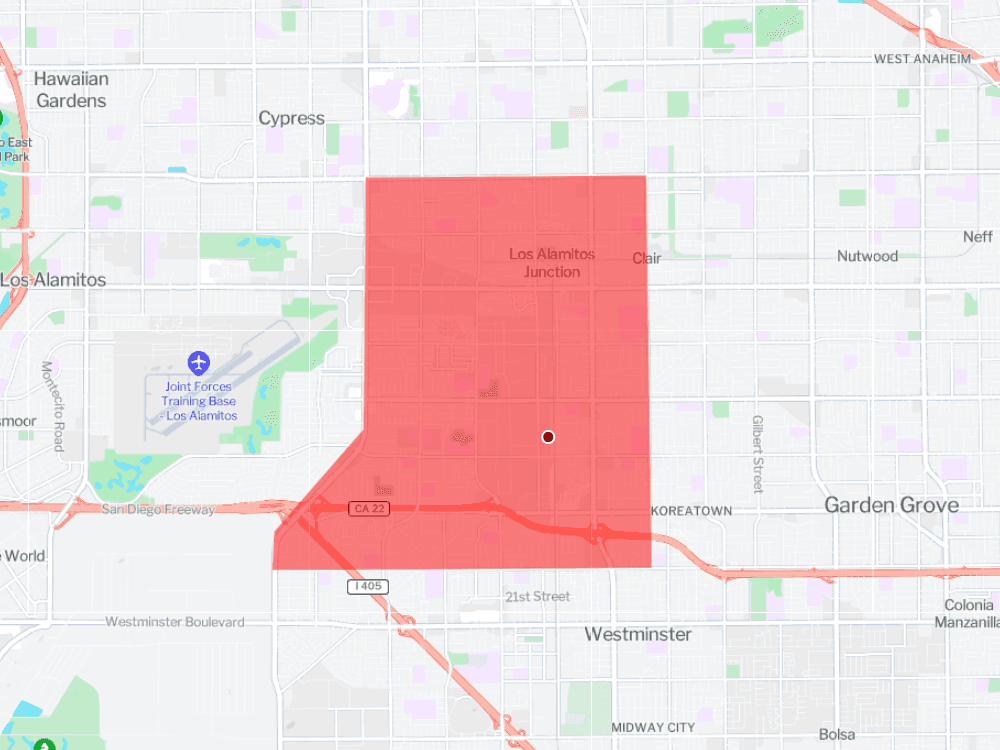
A 34,000-gallon tank of methyl methacrylate at the GKN Aerospace manufacturing facility in Garden Grove, California began to off-gas and bulge outward on May 21. By the next morning, roughly 50,000 Orange County residents were under mandatory evacuation orders.
The tank held about 7,000 gallons of the chemical. The refrigeration system that was supposed to keep it at 50 degrees Fahrenheit failed. The contents began to overheat. As MMA polymerizes when warm, the pressure inside the tank climbed.
Officials called the situation "unprecedented." The Orange County Fire Authority said the tank would either spill or explode if it could not be cooled.
It did neither, in the end. By May 25, authorities confirmed the excess pressure had been relieved and the contents were cooling. Evacuation orders were fully lifted the following day.
What the workers and the neighborhood faced
Methyl methacrylate is flammable. It is also a respiratory and skin irritant. A breach of the tank into a residential neighborhood — Garden Grove is densely populated — would have produced a vapor cloud and possibly a fire.
GKN Aerospace, a UK-headquartered manufacturer that produces components for commercial and military aircraft, operates the facility. The plant has been in Garden Grove for decades. Workers were evacuated when the off-gassing was detected.
The U.S. Environmental Protection Agency deployed two on-scene coordinators. The South Coast Air Quality Management District set up 24 stationary air monitors around the perimeter of the evacuation zone. None registered a release above public health thresholds, officials said.
A valve, the difference between this and a catastrophe
The proximate cause has been described as a failure in the refrigeration valve. The reason a working refrigeration system was the only thing between Garden Grove and a methyl methacrylate release is the larger question.
GKN Aerospace has not addressed in detail why the facility stored that volume of MMA without redundant cooling. The Risk Management Plan (RMP) program under the Clean Air Act requires facilities handling certain hazardous chemicals to plan for worst-case releases. The EPA enforces that rule. Cal/OSHA enforces process safety management for chemicals like MMA in California.
The U.S. Chemical Safety Board has not announced whether it will open an investigation. Cal/OSHA confirmed it is reviewing the incident.
Sirens, schools, and a question
Garden Grove Unified School District closed several campuses during the evacuation. Tens of thousands of residents spent two nights in hotels or with relatives. Local elected officials are now asking how the tank was permitted in that location, with that volume, with the cooling configuration in place.
The Communications Workers of America and several local community groups have begun raising the larger question: how many industrial facilities store hazardous chemicals in residential areas, and what redundancies are required.
The cause of the valve failure has not been released. We'll publish more as we find out.
Related coverage