Hernia Mesh Litigation Hits Inflection Point: Bellwether Trials, Billion-Dollar Settlements, 26,000 Pending Cases
The hernia mesh litigation reaches a critical stage in 2026: Covidien faces its first bellwether trials, Bard has entered a global settlement phase, and over 26,000 cases remain pending across three manufacturer MDLs.
By 411 Press Newsroom3 min read
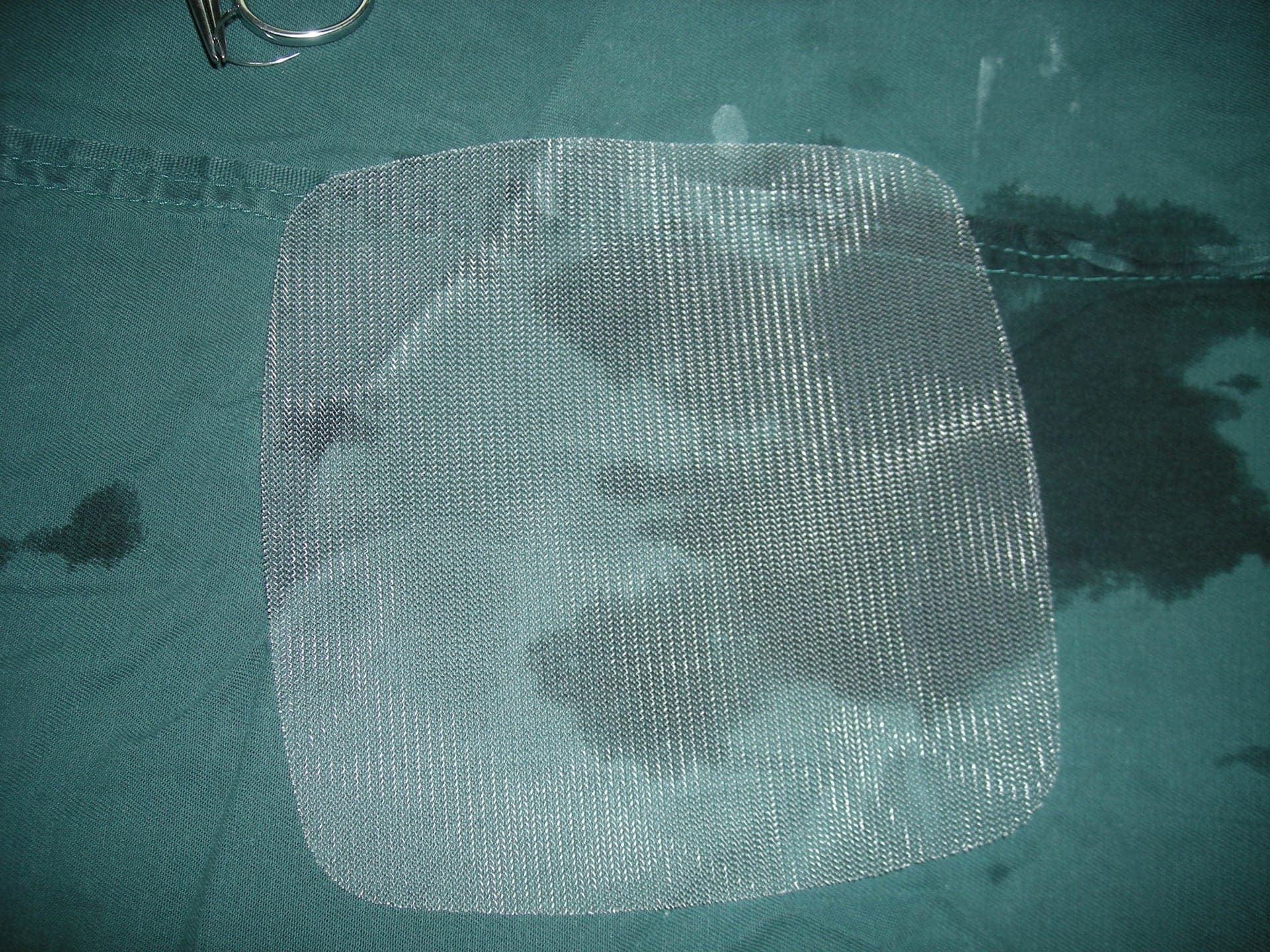
Twenty-six thousand lawsuits. Three manufacturers. One defect category: hernia mesh that was supposed to dissolve or integrate into tissue — and instead migrated, shrank, adhered to organs, or triggered infections severe enough to require additional surgeries to cut it out.
C.R. Bard faces 23,695 of those cases and has entered a global settlement phase — the clearest signal yet that continued litigation is no longer the more practical option. Covidien is earlier in the process, with 2,348 pending cases and its first bellwether trial scheduled. Atrium has 220 cases.
The three litigations are at different stages. The core allegation is the same.
What Went Wrong
Hundreds of thousands of hernia mesh implants are placed each year. The device is supposed to reinforce tissue after hernia repair, then dissolve or integrate over time. For many patients, it did.
For others, the mesh became the problem. Chronic pain that never resolved. Infections at the implant site. The mesh migrating from where it was placed — shifting through tissue, adhering to intestines, causing bowel obstruction. Some patients needed multiple surgeries to remove mesh that was never designed to come out.
C.R. Bard (now part of Becton Dickinson), Covidien (a subsidiary of Medtronic), and Atrium Medical all face allegations that they used materials prone to inflammatory reactions and degradation, and failed to adequately warn the surgeons implanting their products.
Bard: Global Settlement Phase
After years of bellwether trials and intense negotiations, the Bard hernia mesh litigation has moved into a multi-billion-dollar global settlement framework. The framework aims to resolve the majority of the 23,695 pending cases in MDL 2846.
Details of the framework are not fully public, but the settlement structure is designed to offer tiered compensation based on injury severity, surgical outcomes, and the specific Bard product implanted.
This represents a significant shift. Bard defended aggressively at trial for years before the economics of continued litigation — tens of thousands of cases, large individual verdicts — made a global resolution the more practical path.
Covidien: Bellwether Trials Approaching
The Covidien litigation is earlier in its lifecycle. The first bellwether trial, Patterson v. Covidien, involving Symbotex mesh, is scheduled for February 2026, with a pretrial conference on February 4.
A second bellwether trial, Regina Stephen v. Covidien, also involving Symbotex mesh, is set for July 13, 2026.
These trials will test the plaintiffs' evidence in front of a jury for the first time in the Covidien MDL. The outcomes will influence settlement negotiations for the remaining 2,348 cases. A strong plaintiff verdict would accelerate settlement pressure. A defense verdict would slow the process.
What Plaintiffs Should Know
If you had a hernia mesh implanted and have experienced chronic pain, infection, mesh migration, bowel obstruction, or additional surgeries, you may have a claim. The statute of limitations varies by state, and in most states, it begins when you knew or should have known that the mesh caused your injury — not when the surgery was performed.
Bard claimants within the global settlement framework may see resolution sooner. Covidien claimants are waiting on bellwether outcomes — and bellwether outcomes set the price for everything that follows.
The statute of limitations in most states starts when you knew or should have known that the mesh caused your injury, not when the surgery happened. If you are experiencing complications from a hernia mesh implant and have not consulted an attorney, the clock may already be running.
Related coverage