Product Recalls Hit Decade High in 2025: What's Driving the Surge
Product recalls reached their highest level in at least a decade in 2025, driven by lithium-ion battery hazards, entrapment risks, and basic design failures in everyday consumer goods.
By 411 Press Newsroom3 min read
More consumer products were recalled in 2025 than in any year in the past decade.
The surge spans categories: water bottles that blind people, portable chargers that explode, bed rails that suffocate users, travel mugs that scald, children's toys with accessible button batteries. The products are different. The underlying problem is the same — defective goods reaching consumers at scale before anyone catches the danger.
The Numbers
Consumer product-related incidents cost the nation more than $1 trillion annually in deaths, injuries, and property damage, according to CPSC estimates. The 2025 recall volume reflects an acceleration of that trend, not an aberration.
The increase is partly a function of supply chain complexity. Products designed in one country, manufactured in another, sold on third-party marketplaces in a third, and reviewed by no one with a meaningful quality mandate in between. When the supply chain has no single point of accountability, defects proliferate.
The Worst of 2025
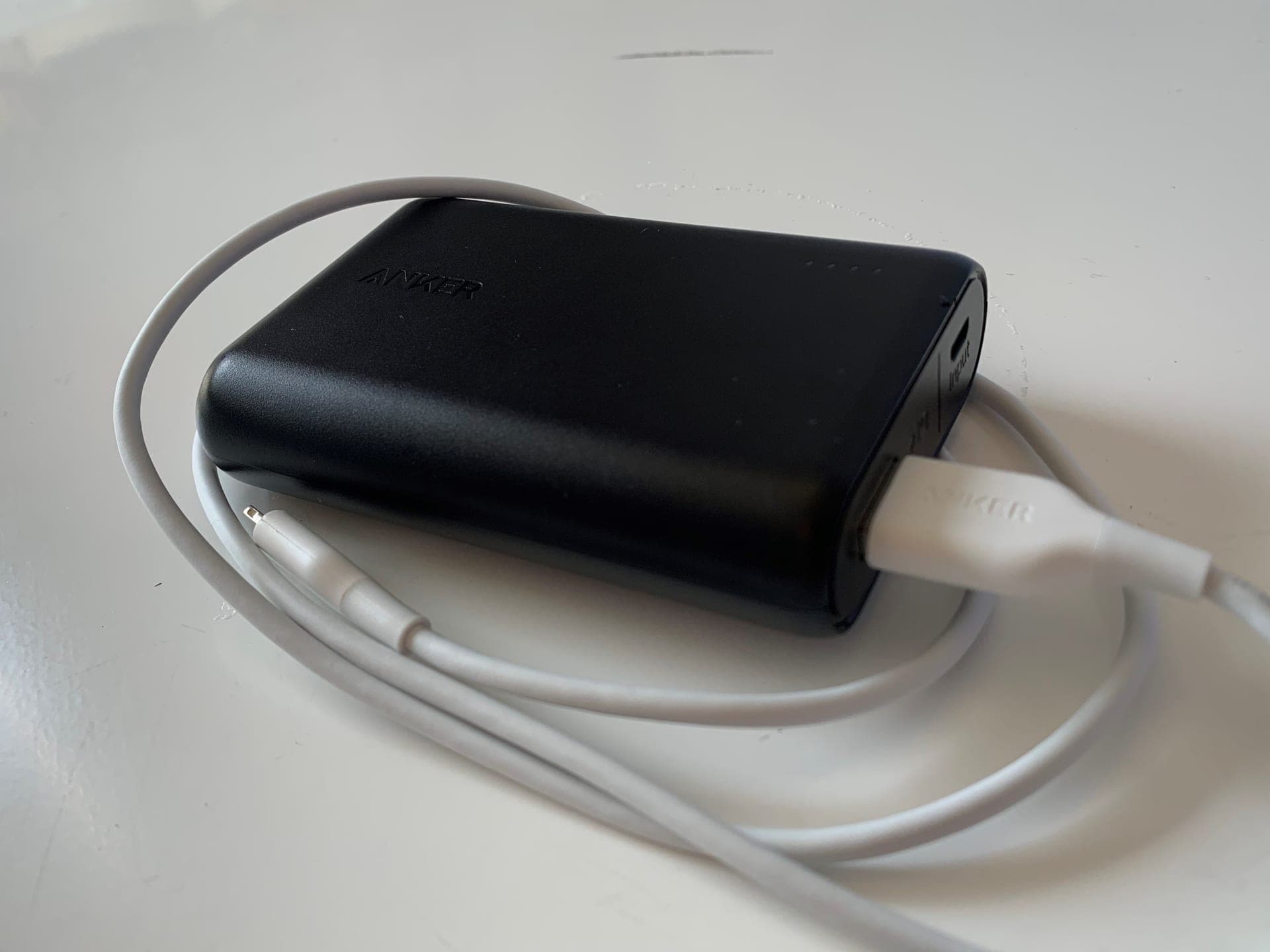
Casely Power Banks: 429,200 portable chargers recalled after lithium-ion batteries caught fire. One woman killed. One fire on a commercial airplane. The recall was issued twice — the first attempt failed to reach enough consumers.
Ozark Trail Water Bottles: 850,000 bottles recalled by Walmart after lids ejected into consumers' faces. Two people suffered permanent vision loss.
Stanley Travel Mugs: 2.6 million Switchback and Trigger Action mugs recalled after lid threads shrank from heat exposure, causing lids to detach and spill hot contents. Ninety-one incidents reported worldwide, 38 burn injuries, 11 requiring medical attention.
Adult Portable Bed Rails: Multiple brands recalled across 2025 and into 2026, including Vive Health, MPINOI, JOKOSIS, Agrish, and others. Users can become entrapped between the rail and mattress. Two deaths reported with Vive Health products. Most were sold on Amazon.
Children's Toys with Button Batteries: ABC Trading recalled toys with easily accessible battery compartments. Button cell batteries, when swallowed by children, cause internal chemical burns and death.
The Amazon Problem
A disproportionate number of 2025 recalls involved products sold through Amazon and other online marketplaces. Bed rails from brands most consumers have never heard of — MPINOI, JOKOSIS, YOLAAH, Beloems, Fortemotus — all recalled for the same entrapment hazard. All sold on Amazon.
The marketplace model creates a structural gap in product safety. Traditional retailers vet suppliers, conduct quality testing, and face direct liability for products on their shelves. Third-party marketplace sellers can list products with minimal oversight. When a defect surfaces, the seller may be a shell company with no U.S. presence.
The CPSC has pushed for marketplace platforms to take greater responsibility for the safety of products sold through their platforms. Progress has been slow.
What Consumers Can Do
Register products when purchased — manufacturers can notify you directly during recalls. Check CPSC.gov regularly, particularly for children's products, battery-powered devices, and any product that uses lithium-ion batteries.
When a recall is issued, act immediately. The Casely power bank case proved that waiting costs lives.
For a comprehensive list of current recalls, visit the 411 Press recall tracker, or browse recalls by agency: CPSC, FDA, NHTSA.
Related coverage