
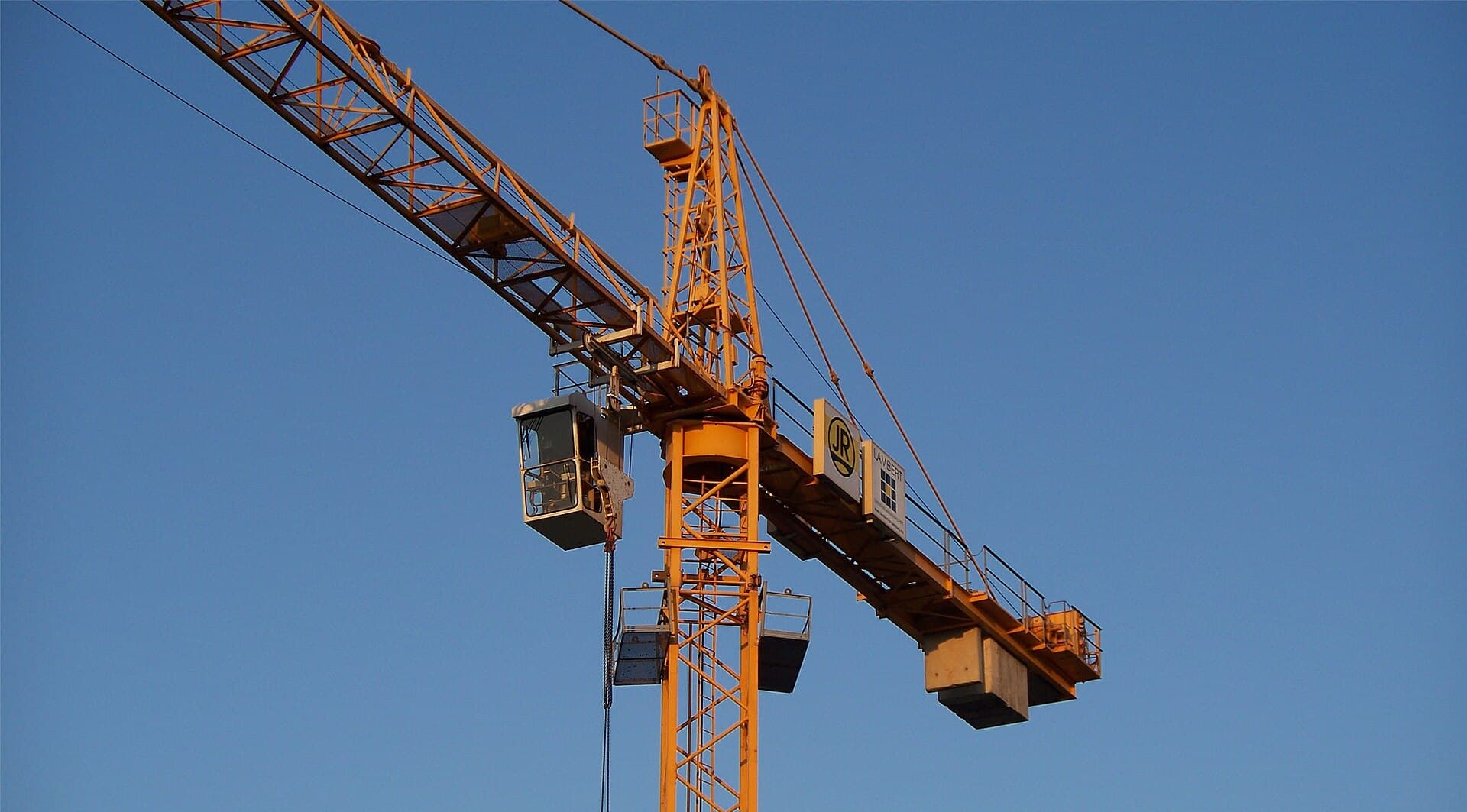
29-Year-Old Killed In Salt Lake City When Crane Load Comes Loose
A 29-year-old construction worker was killed in Salt Lake City when a piece of metal hoisted by a crane became dislodged and fell. OSHA opened an investigation.
By 411 Press Newsroom3 min read
A 29-year-old construction worker was killed in Salt Lake City on April 17 when a piece of metal being hoisted by a crane became dislodged and fell, striking the worker below. The Occupational Safety and Health Administration opened an investigation.
The worker's name has not been publicly released.
OSHA will determine how the incident occurred and whether safety violations contributed to the fatal event.
How rigging fails
A crane load that "becomes dislodged" did so for a reason. Rigging failures fall into a small number of well-understood categories:
- Sling failure: synthetic webbing, wire rope, or chain slings that exceed their working load limit, are damaged, or are improperly configured
- Hook failure: a missing or damaged safety latch on the hook, allowing the rigging to slip free
- Attachment failure: the connection between the rigging and the load — a lifting lug, a shackle, a clamp — that gives way
- Improper rigging: a load that is improperly balanced, secured at the wrong points, or rigged in a way that causes it to shift during the lift
OSHA's construction standard for cranes and derricks (29 CFR 1926 Subpart CC) and the slings standard (29 CFR 1926.251) both apply. The standard requires inspections, qualified operators, qualified riggers, and qualified signal persons for crane operations.
Workers below the load
The rule that no one walks under a suspended load is among the oldest in industrial safety. It is also among the most violated. The reasons are familiar: the work needs to keep moving, the crew is short, the area is too tight to work around the load, the supervision is absent.
When the rule fails, the worker dies. That is what happened in Salt Lake City.
The pattern across the West
The Mountain West has seen a documented surge in construction activity over the last decade. Population growth, federal infrastructure spending, and a tight labor market have combined to drive both new construction and a workforce that is, in many cases, younger and less experienced than the work demands.
Two crane-related deaths in less than two weeks in the region in April:
- April 17, 2026 — Salt Lake City: the 29-year-old worker struck by a falling load
- April 28, 2026 — Colorado Springs: a crane operator killed in an entrapment incident at the Forge at Peak Innovation Park construction site
The International Union of Operating Engineers and the Iron Workers union have both raised long-standing concerns about the use of non-certified riggers and signal persons on non-union construction sites. The National Commission for the Certification of Crane Operators (NCCCO) provides certification, but its application on private sites is uneven.
What OSHA will look at
The Salt Lake City investigation will examine:
- The rigging configuration at the time of the lift
- Whether the rigging components — slings, hooks, attachments — were rated for the load and in good condition
- Whether qualified riggers and signal persons were on site
- Whether the load was within the crane's capacity for the configuration of the lift
- Whether workers were properly excluded from the area beneath the load
- Whether the daily and frequent inspections required by the crane standard had been completed
OSHA has up to six months. Citations and fines can follow.
We'll publish more as findings are released.
Related coverage