Developing story
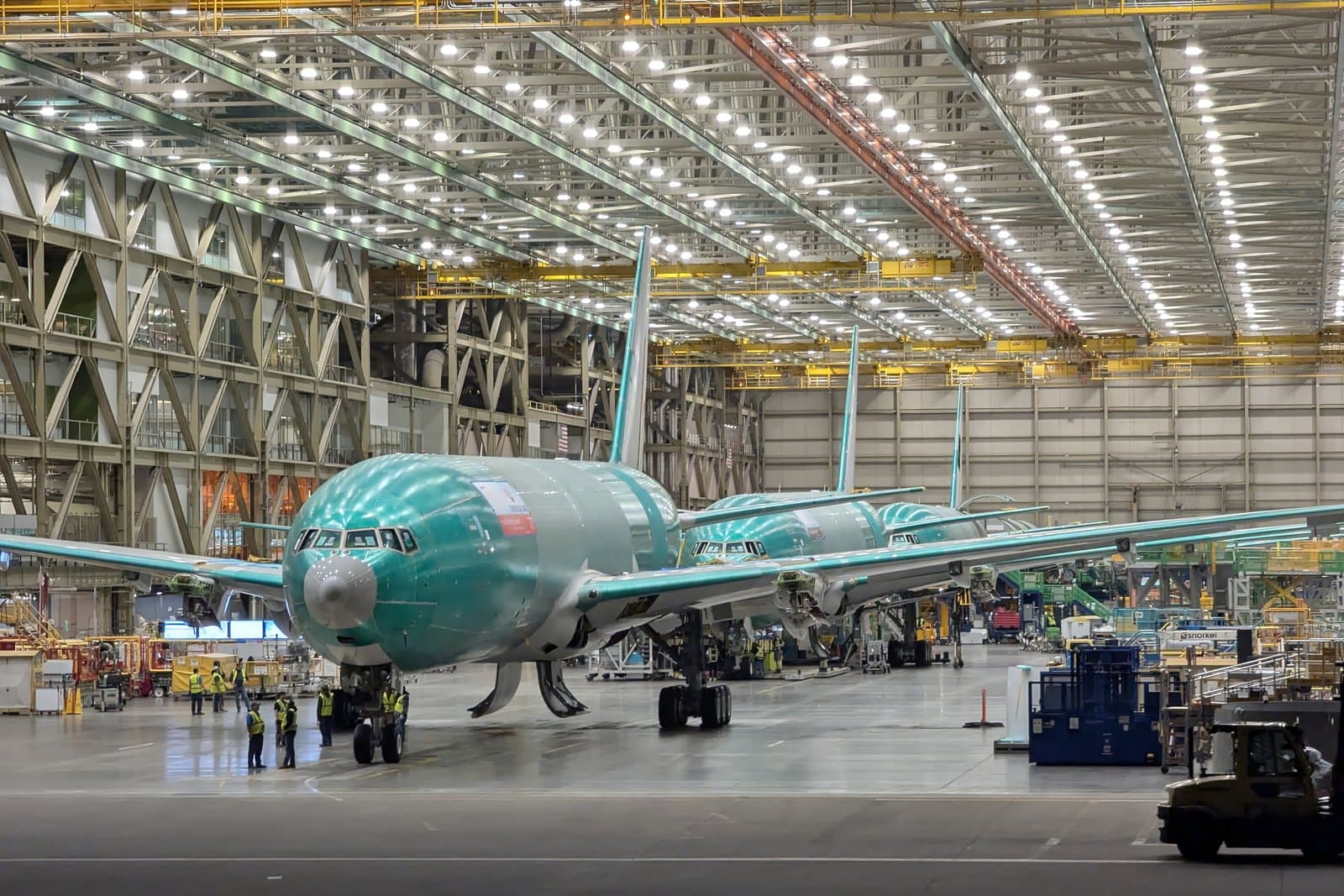
SPEEA Members at Boeing Reject 'Best and Final' Offer, Authorize Strike
Members of the Society of Professional Engineering Employees in Aerospace rejected Boeing's "best and final" contract offer and authorized a strike in both bargaining units, results announced Aug. 21 show. The offer carried the union's largest wage-pool increase since 1983, by SPEEA's own account, and the unanimous endorsement of its negotiation team. Boeing says it is now preparing for a possible strike.
By 411 Press NewsroomUpdated 4 min read
Developing story — 411 Press will update as bargaining continues.
Engineers and technical workers at Boeing rejected the company's "best and final" contract offer and voted to authorize a strike, according to results the Society of Professional Engineering Employees in Aerospace announced Aug. 21.
The Professional Unit, roughly 13,000 engineers and scientists, rejected the offer 7,238 to 4,027 — 64.3 percent against — and authorized a strike with 87.8 percent in favor. The Technical Unit, more than 4,000 analysts, designers and technicians, rejected it 2,795 to 1,094 — 71.9 percent — and authorized a strike with 89.7 percent.
Turnout ran 95.57 percent of the Professional Unit's 11,864 authorized ballots and 92.89 percent of the Technical Unit's 4,208.
What was on the table
Boeing put forward:
- Wage pools compounding to 29.4 percent over the four-year contract — 31.9 percent counting promotions and out-of-sequence raises — the union's largest since 1983, by SPEEA's own account
- An immediate 3 percent raise, retroactive to Feb. 20
- Guaranteed minimum wage increases tied to inflation
- A 40 percent increase in the target payout of the annual incentive bonus plan, plus an amount equal to 40 percent of each member's 2026 incentive bonus
- 40 units of restricted Boeing stock, worth more than $9,000 when the offer was made
- Three additional paid leave days
- Lower limits on mandatory overtime
- More opportunities for virtual work
- Health and dental improvements at no added cost to members
- Twice-yearly meetings with the president of Boeing Commercial Airplanes on workforce deployment, and a commitment to create new union-represented roles
- A joint labor-management committee to study potential uses of artificial intelligence
SPEEA's negotiation team endorsed that package unanimously on Aug. 5 and recommended members accept it. The members voted it down.
The break showed up a day after the endorsement. On Aug. 6, the Technical Unit's bargaining council voted to recommend members reject the offer, and the Professional Unit's council did not meet the 60 percent threshold its rules require to issue a recommendation at all. The negotiators were out ahead of the people they were negotiating for.
Why members said no
SPEEA put the rejection down to accumulated distrust rather than to the dollar figures, describing a mistrust "built brick-by-brick over the past several contracts" through job erosion, compromises on quality and safety, and wage stagnation.
Writing to members after the count, the negotiation team said: "Your voices and votes have made clear that the proposed contract terms fall short for members and that negotiations with Boeing must continue. In this vote, you also told us that without significant improvements to the offer, you are prepared to strike until our concerns are addressed."
What Boeing said
Boeing did not treat the result as a pause. Ben Nimmergut, the company's vice president and functional chief engineer for production engineering, said: "We gave a strong contract offer to position our employees among the market leaders in pay and benefits in the Pacific Northwest. We're disappointed our engineers and technical workforce voted no on our offer."
Boeing said it has a contingency plan should SPEEA members walk out, and told employees it is redirecting money toward preparing for a strike — "we are now diverting those dollars to execute our plan and prepare for a potential strike," Nimmergut said. Two sweeteners the company had attached to early approval came off the table with the vote: the 3 percent retroactive raise and the higher 2026 incentive target. In Boeing's words to members, "the retroactive pay and higher incentive plan target for 2026 are no longer available."
The dates that matter
Both contracts run through Oct. 6. A strike authorization does not schedule a walkout — it gives union leadership the standing to call one if bargaining fails. The earliest anyone at Boeing walks out is Oct. 7.
Where it stands
As of Aug. 26, no new bargaining dates had been announced. SPEEA said negotiations must continue and spent the week after the vote surveying members on what a new offer would have to contain to pass; that survey was set to close at 3 p.m. Pacific time on Aug. 26. The union's Contract Action Team was meeting on next steps.
This is the second strike-authorization vote 411 Press has covered this summer where members rejected a deal their own bargaining team brought back: UAW Local 699 members at Nexteer in Saginaw, Michigan, turned down two tentative agreements before authorizing a strike over tiered wages and cost-of-living adjustments.
We'll publish more when bargaining dates are set.
Sources: SPEEA — Profs and Techs reject contract offers (vote results and negotiation team statement, August 21, 2026)SPEEA — SPEEA Negotiation Team unanimously endorses Boeing Prof and Tech contract offer (August 5, 2026)SPEEA — Prof and Tech Councils vote on contract offer positions (August 6, 2026)SPEEA — Professional Unit & Technical Unit bargaining page (post-vote survey)KIRO 7 — Boeing union ready to strike after rejecting contract offer (August 21, 2026)The Air Current — Boeing plays hardball after SPEEA members spurn contract offer (August 21, 2026)Everett Post — SPEEA members reject Boeing contract offer, authorize strike but willing to talk (August 21, 2026)KOMO News — Boeing engineers, technical workers reject contracts, could strike after fall deadline (August 21, 2026)
Related coverage